VLT Editorial
THE 2020s: POST-APOCALYPTIC COMFORT
Face masks, luxury sweatpants, and the collapse of the office.
In March 2020, the fashion industry stopped. Shows were cancelled. Stores were closed. The factories that produced the clothing that filled those stores were shuttered. For approximately six weeks, fashion as an economic activity simply did not happen.
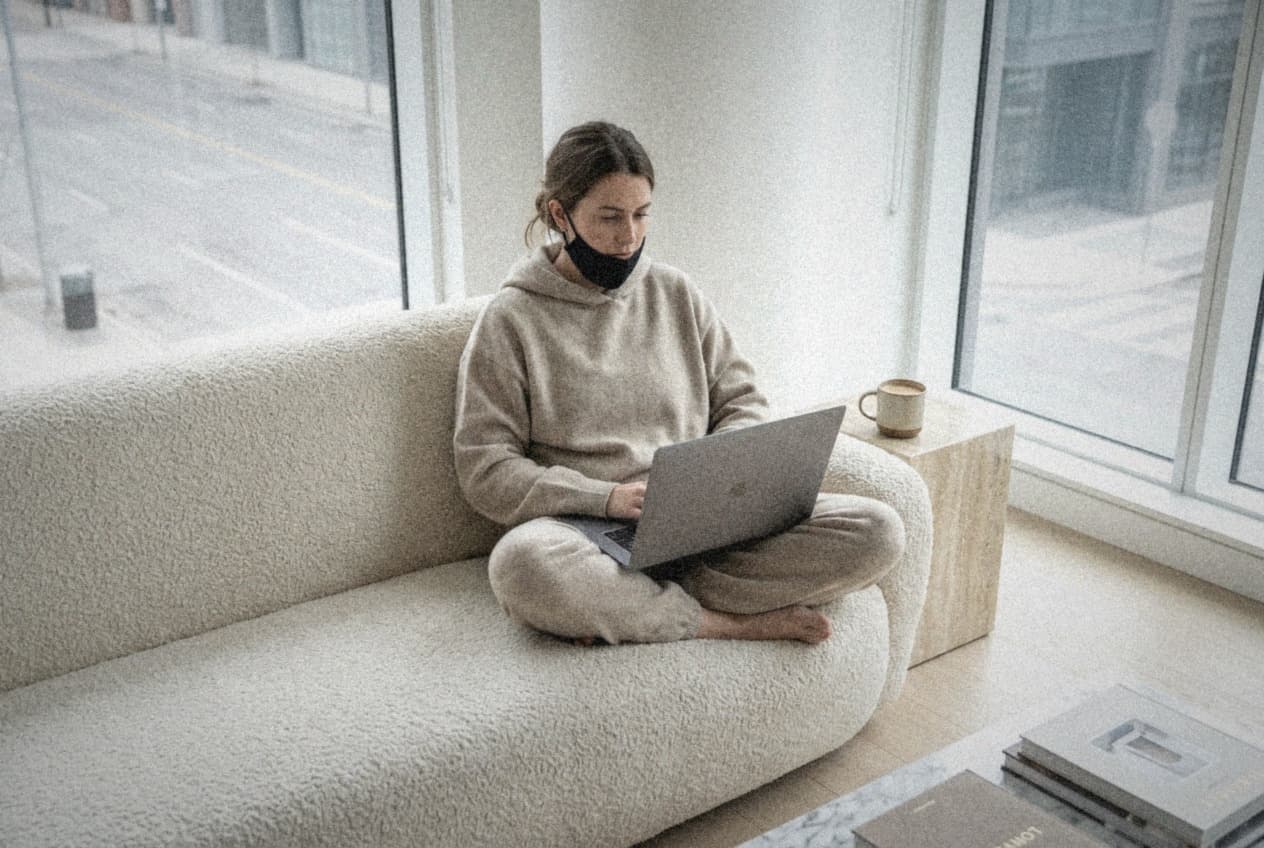
What happened instead was interesting. People wore their most expensive casual garments to sit in their apartments. Luxury sweatpants became the defining product category of a decade. Loewe sold a cashmere hoodie that cost more than most people's rent. The logic was surprisingly consistent: if you can only wear one thing, it should be the most beautiful version of that thing that exists.
The pandemic decade produced a fashion paradox: the simultaneous explosion of interest in craft, quality, and permanence alongside the fastest fashion cycle in history. People bought less and spent more on what they bought, and also bought more than ever before from fast-fashion platforms. Both things were true.
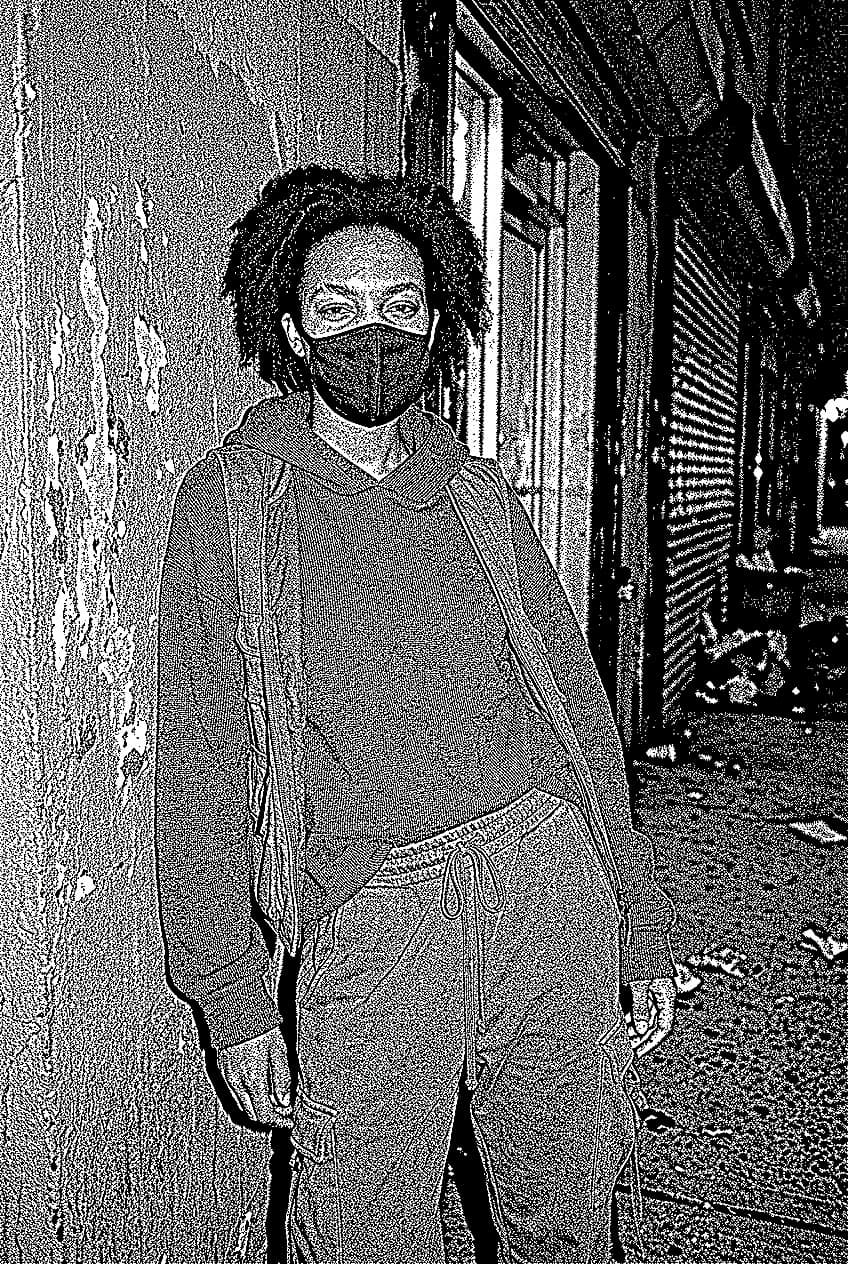
This is where the archive ends, not because fashion has ended, but because we are still inside this moment and cannot yet see its shape. The face mask as accessory. The luxury tracksuit. The empty street behind the floor-to-ceiling window. This is what we looked like at the end of something and the beginning of something else.